
Outboard Lower Unit Repair Long Beach, CA
Outboard lower unit repair is one of the most common and most misunderstood services a boat owner will face, but catching the problem early almost always saves you money. The lower unit houses the gears, prop shaft, and seals that transfer engine power to the water, and when it fails, your boat simply will not move. A mobile boat mechanic can diagnose and repair most lower unit problems dockside in Long Beach without hauling your vessel to a shop. Learn more about Outboard Repair.
What the Lower Unit Actually Does
The lower unit sits below the cavitation plate and contains the gear case, forward and reverse gears, the drive shaft, prop shaft, and a set of seals and bearings that keep saltwater out and gear oil in. When you shift from neutral into forward or reverse, a shift rod inside the lower unit moves a clutch dog that engages the correct gear. Wear on that clutch dog, a broken shift rod, or a failed seal can each cause symptoms that feel similar but require very different repairs. Understanding the component helps you describe the problem accurately and get a faster, more accurate estimate.
Warning Signs You Should Not Ignore
Most lower unit failures give you advance notice before they become catastrophic. Milky or foamy gear oil is the single most important warning sign because it means water has entered the gear case through a failed seal, and water mixed with gear oil destroys bearings and gears quickly. A grinding or clunking noise when shifting, difficulty engaging a gear, or a prop that spins freely without driving the boat forward are all signs the internal gears or clutch dog need attention.
Vibration felt through the hull at speed can point to a bent prop shaft, a damaged prop, or worn carrier bearings inside the lower unit. Leaking gear oil visible around the prop shaft or trim tab area also signals a seal failure. Any of these symptoms warrant an inspection before your next trip out of Long Beach Harbor.
- Milky or discolored gear oil after draining
- Grinding, clunking, or popping when shifting gears
- Prop spins but boat does not move forward
- Difficulty or resistance when shifting into gear
- Vibration at speed that was not present before
- Visible gear oil seeping around the prop shaft or skeg
Common Lower Unit Repairs and What They Involve
Lower unit work ranges from a simple gear oil change to a full rebuild, and the scope depends entirely on what the inspection reveals.
Gear Oil Service:
Draining and refilling the gear case with fresh lubricant is the most basic maintenance task. It also reveals contamination that points to a deeper problem.
Seal Replacement:
Prop shaft seals, driveshaft seals, and shift shaft seals all fail over time. Replacing them early prevents water intrusion and the gear damage that follows.
Clutch Dog and Shift Rod:
A worn clutch dog causes slipping or refusal to engage a gear. Replacing the clutch dog and inspecting the shift rod restores crisp, reliable shifting.
Bearing Replacement:
Carrier bearings and roller bearings support the prop shaft and drive shaft. Worn bearings cause vibration and, if ignored, allow shafts to move out of alignment.
Full Gear Case Rebuild:
When multiple internal components are damaged, a complete disassembly, inspection, and rebuild is more cost-effective than replacing parts one at a time.
Prop Shaft Straightening or Replacement:
A bent prop shaft from a strike cannot be ignored. Even slight bends cause vibration that accelerates bearing wear and can damage the gear case housing.
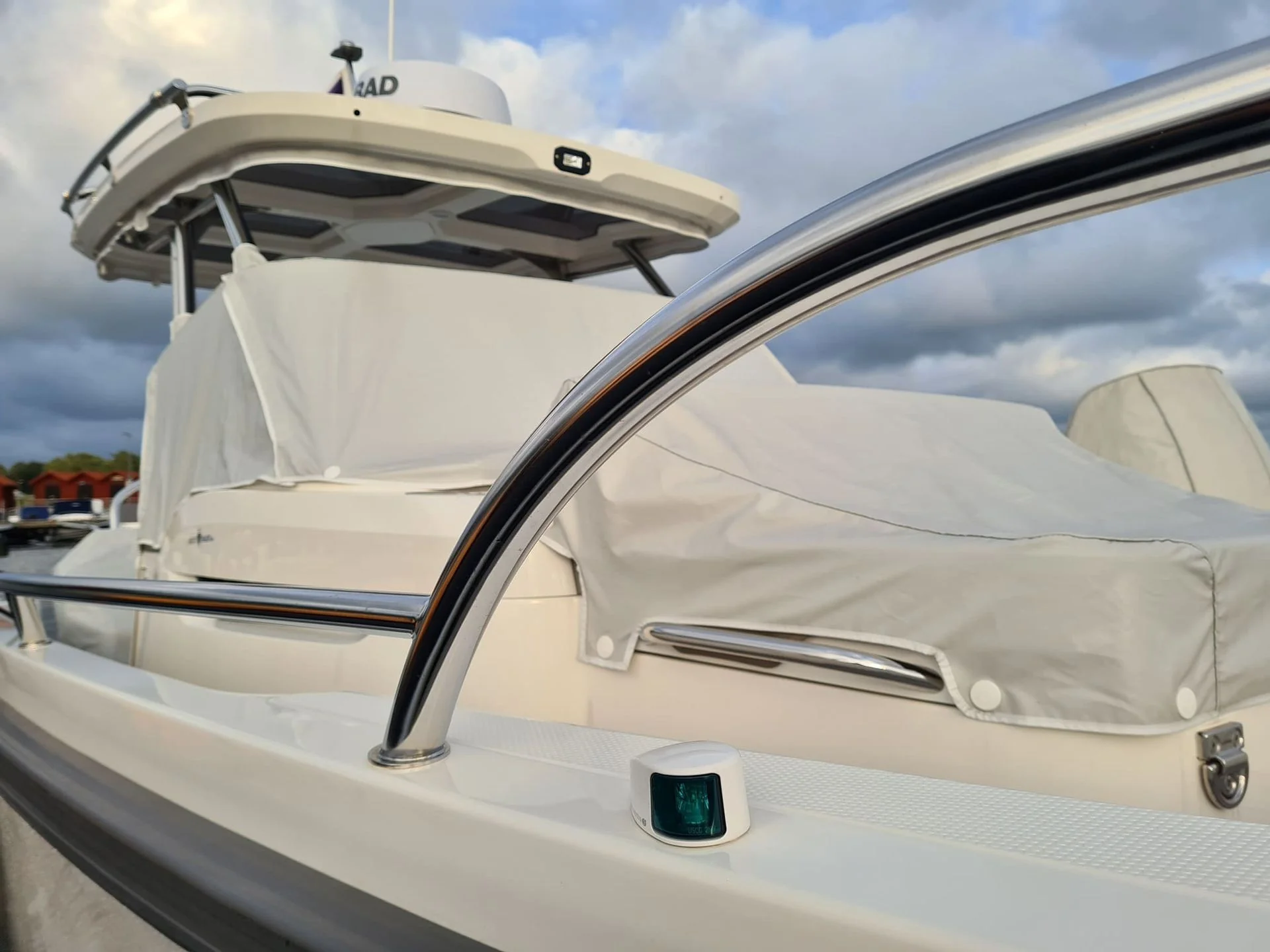
Mobile Lower Unit Service at Your Slip or Trailer
Most lower unit repairs do not require a travel lift or a dry dock, which is why mobile service works so well for Long Beach boaters. A mechanic can drain and inspect the gear oil, replace seals, swap a clutch dog, or perform a full rebuild with the outboard tilted up at your slip or on a trailer in your driveway. Bringing the work to you eliminates towing fees, storage charges, and the scheduling delays common at busy marine shops. For anything that requires specialized machine work, such as straightening a prop shaft, the mechanic will advise you on the best path forward and coordinate the additional service on your behalf. This kind of outboard repair keeps your boat in the water and your schedule intact.
Related Guides
Next: Outboard Tune Up
Frequently Asked Questions
How do I know if my lower unit is damaged or if it is just the prop?
Remove the prop and inspect the prop shaft for wobble or visible bending, then check whether the shaft turns smoothly by hand. If the shaft is straight and turns freely, the prop itself may be the only problem. If you feel roughness, hear grinding, or the shaft has play, the issue is inside the gear case and needs a mechanic to inspect it properly.
How often should I change the gear oil in my lower unit?
Most manufacturers recommend changing the gear oil every 100 hours of operation or once a year, whichever comes first. Saltwater boating in Long Beach puts additional stress on seals, so annual changes are a minimum. Always inspect the drained oil for a milky appearance or metal particles before refilling.
Can a lower unit be repaired, or does it always need to be replaced?
Repair is the right choice in most cases, especially when the housing is intact and only internal components like seals, bearings, or the clutch dog are worn. A full replacement unit makes more sense when the housing is cracked or when the cost of parts for a rebuild approaches the price of a quality used or remanufactured unit.
What causes lower unit seals to fail?
Seals degrade from age, heat cycles, and exposure to saltwater. Striking a submerged object can also damage the prop shaft and distort the seal surface, allowing water in immediately. Running the engine with a damaged or missing prop can accelerate seal wear by creating unusual shaft movement.
Is it safe to run my outboard if the gear oil looks milky?
No. Milky gear oil means water is already inside the gear case mixing with the lubricant, which dramatically reduces its ability to protect metal surfaces. Continuing to run the engine accelerates bearing and gear wear and can turn a seal replacement into a full rebuild or a total gear case failure.
How long does a lower unit repair typically take?
A seal replacement or gear oil service can often be completed in one to two hours on site. A clutch dog replacement or bearing job typically takes two to four hours depending on the engine model. A full rebuild may require the unit to be removed and worked on over a full day, but many jobs are completed in a single mobile visit.