Boat Oil Change Long Beach, CA
A boat oil change is one of the most important steps you can take to protect your engine and avoid costly repairs down the road. For boaters in Long Beach, CA, a mobile marine mechanic can handle the entire service at your slip, dock, or storage yard — no trailering required. Fresh oil keeps your engine running cooler, cleaner, and longer whether you're cruising the harbor or heading offshore. Learn more about Boat Maintenance.
Why Regular Oil Changes Matter for Marine Engines
Marine engines work harder than automotive engines. They run at sustained high RPMs, operate in a corrosive saltwater environment, and often sit for weeks between uses — all of which break down oil faster than typical road driving. Neglecting oil changes allows contaminants, moisture, and combustion byproducts to accumulate, accelerating wear on bearings, pistons, and cylinder walls. Most manufacturers recommend changing engine oil every 100 hours of operation or at least once per season, whichever comes first. Staying on that schedule is the single easiest way to extend engine life.
What a Mobile Boat Oil Change Service Includes
When a mobile marine mechanic performs an oil change on your boat, the service goes beyond simply draining and refilling. The technician will drain the old oil using an extraction pump or drain plug, replace the oil filter, refill with the correct grade and quantity of marine-grade oil specified by your engine manufacturer, and inspect the bilge area for any signs of leaks or contamination. Most techs will also check the raw-water impeller housing, belts, and fluid levels while they are already on board, giving you a quick overall picture of your engine's health.
Inboard engines, sterndrive setups, and outboards each have slightly different procedures, so it matters that your technician has hands-on experience with your specific engine type. A qualified mobile mechanic in Long Beach will carry the filters and oil grades needed for common marine engines — Mercruiser, Volvo Penta, Yamaha, Honda, and others — so the job gets done in a single visit without back-and-forth trips to a parts store.
- Full oil extraction and proper disposal of used oil
- OEM-compatible oil filter replacement
- Refill with manufacturer-specified marine-grade oil
- Visual inspection of belts, hoses, and fluid levels
- Check for oil leaks at gaskets and drain plug
Signs Your Boat Engine Needs an Oil Change Now
Don't wait for a warning light — marine engines often show these signs before a sensor trips.
Dark or Gritty Oil:
Oil on the dipstick that looks black or feels gritty has broken down and is no longer protecting engine surfaces effectively.
Milky or Foamy Oil:
A milky appearance signals water intrusion, often from a failing head gasket or heat exchanger — this needs immediate attention.
Increased Engine Noise:
Knocking, ticking, or a rougher idle can indicate that worn oil is no longer providing adequate lubrication between moving parts.
Overheating Tendency:
Degraded oil loses its ability to carry heat away from engine components, contributing to higher-than-normal operating temperatures.
Exceeded Hour or Time Interval:
If your hour meter shows 100-plus hours since the last change, or it has been more than 12 months, the service is overdue regardless of how the oil looks.
Visible Oil in the Bilge:
A small amount of seepage can be normal, but fresh oil pooling in the bilge points to a leak that should be found and fixed during the oil change visit.
The Convenience of a Mobile Marine Mechanic in Long Beach
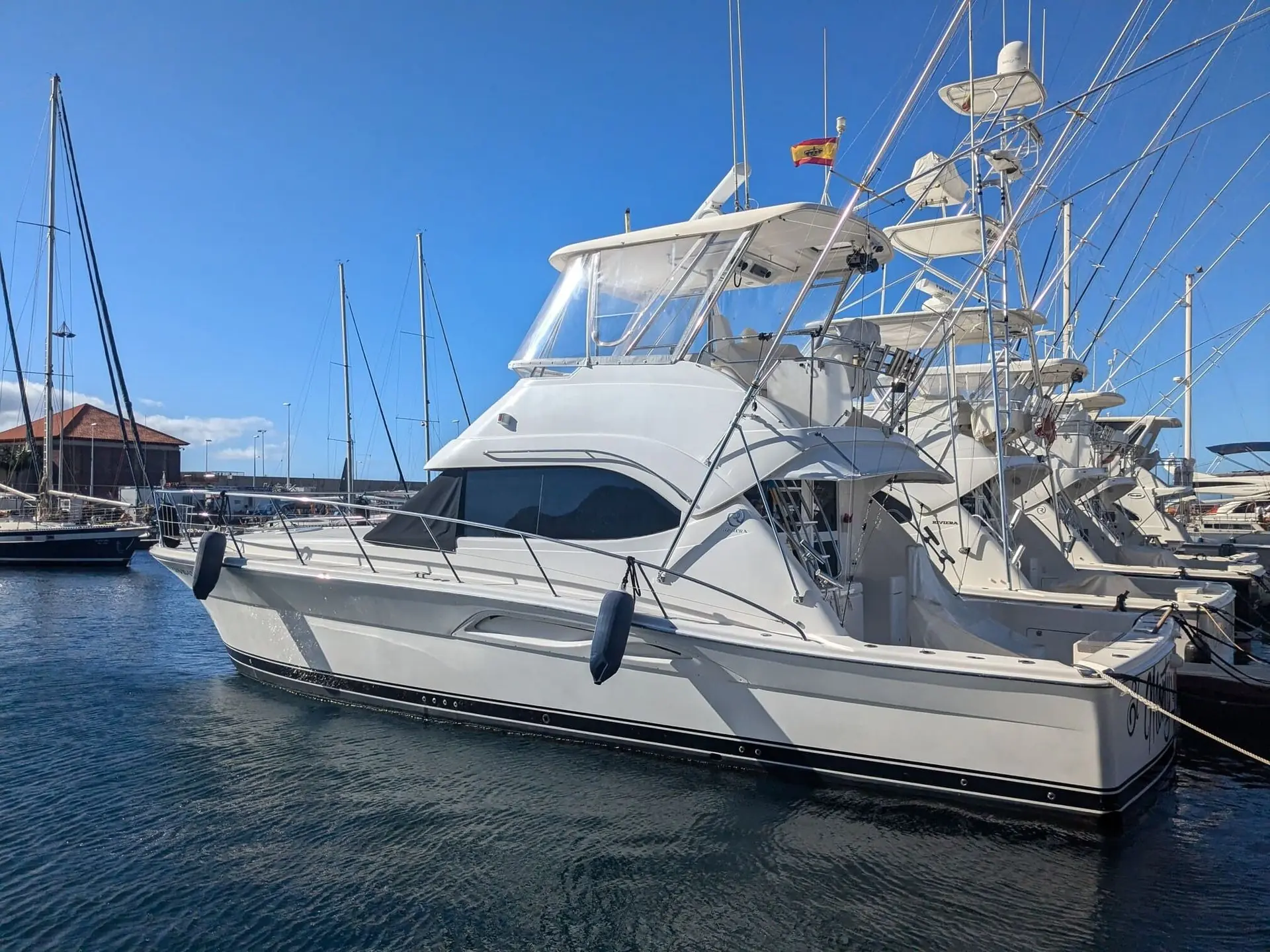
Long Beach has one of the largest recreational boating communities in Southern California, with thousands of vessels berthed at Alamitos Bay, Rainbow Harbor, and the Long Beach Marina. Getting your boat to a traditional shop means scheduling a haul, arranging a trailer, and losing days of use. A mobile mechanic comes to your slip with all the tools and supplies needed to complete the oil change on the spot, usually in under an hour for a standard inboard or sterndrive. You keep your boat in the water, stay on your schedule, and get back on the water faster.
Related Guides
Previous: Pre Purchase Boat Inspection
Frequently Asked Questions
How often should I change the oil on my boat engine?
Most marine engine manufacturers recommend an oil change every 100 hours of operation or once per season — whichever milestone arrives first. If you store your boat over winter, changing the oil before storage removes acidic combustion byproducts that can corrode engine internals during the off-season.
What type of oil does a marine engine require?
Marine engines require oil specifically formulated to handle the higher heat loads, moisture exposure, and sustained RPMs of on-water use. Common specifications include SAE 25W-40 or 10W-30 marine-grade oils that meet NMMA FC-W certification. Always follow your engine manufacturer's recommendation rather than substituting automotive oil.
Can I do a boat oil change myself, or should I hire a mechanic?
Changing boat oil is a task many experienced boaters handle themselves, but it requires proper oil extraction equipment, the correct filter, and a way to dispose of used oil legally. A mobile marine mechanic brings all of that to your location and can spot other issues — like a weeping gasket or worn belt — that you might miss during a DIY service.
How long does a mobile boat oil change take?
For most single-engine inboard or sterndrive boats, the service takes 45 minutes to an hour at your slip. Twin-engine vessels take longer, typically 90 minutes to two hours. The technician will confirm an estimated time when you book.
Does a boat oil change include the filter?
A complete oil change service should always include a new oil filter — replacing one without the other defeats much of the purpose. Confirm this when you book so the technician arrives with the correct filter for your specific engine model.
How does this service connect to overall boat maintenance?
An oil change is a core part of a broader boat maintenance routine that also covers impeller replacement, spark plugs, fuel filters, and corrosion checks. Many boaters schedule a full seasonal service at the same time as their oil change to keep everything current in a single visit.