Pre Purchase Boat Inspection Long Beach, CA
A pre purchase boat inspection gives you an independent, mechanical assessment of a vessel before you hand over any money, and it is the single most reliable way to avoid buying someone else's expensive problem. In Long Beach, where boats sit in saltwater slips year-round and UV exposure is relentless, hidden corrosion and deferred maintenance are common. Our mobile marine mechanic comes to the boat — at a marina, a private dock, or a seller's yard — so you get a thorough inspection without moving the vessel. Learn more about Boat Maintenance.
What a Pre Purchase Inspection Actually Covers
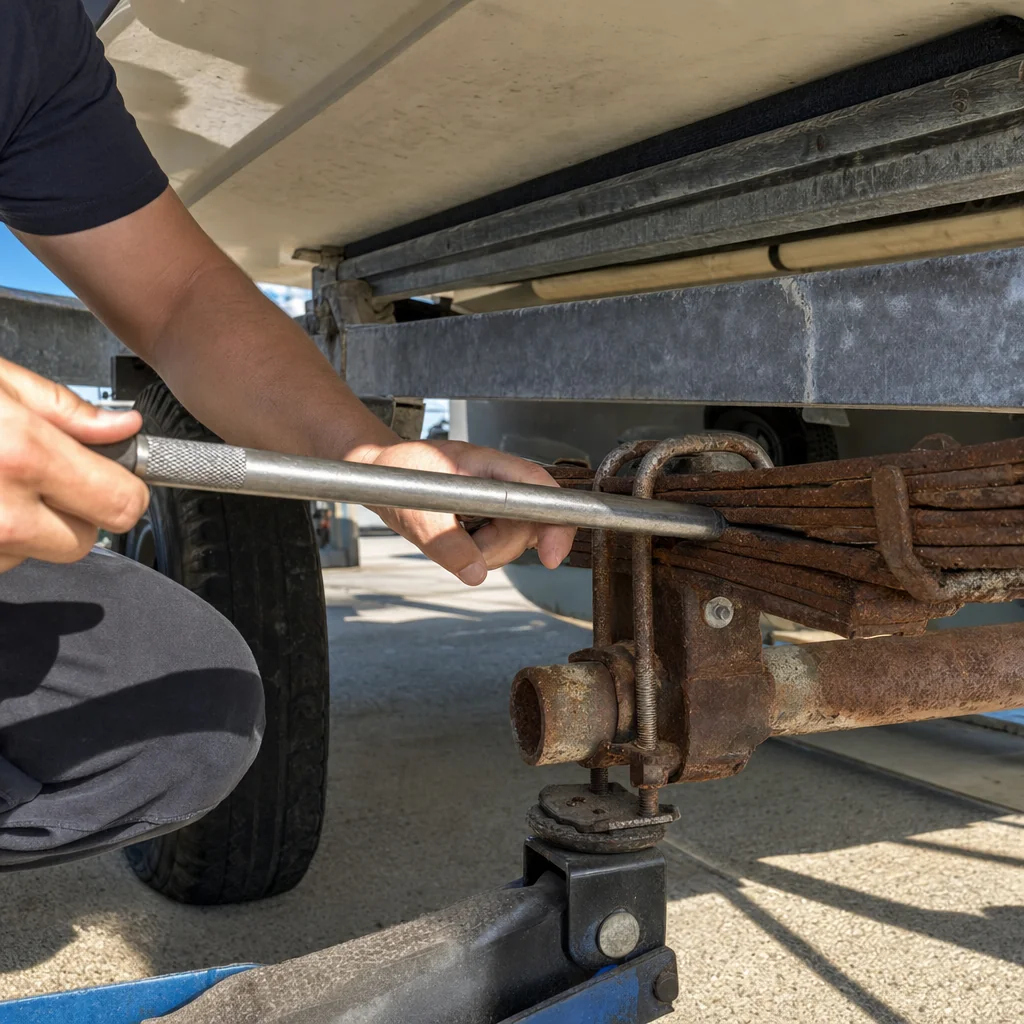
A proper inspection goes well beyond a visual walk-around. We check the engine or engines under load, test the bilge pumps, inspect through-hulls and seacocks, evaluate the electrical system for corrosion and improper wiring, and assess the steering, throttle, and shift cables for wear. We also look at the hull for soft spots, blistering, and impact damage that cosmetic work can easily hide. By the end you have a clear picture of what is working, what needs attention soon, and what is a potential safety issue.
Why Location Matters for Boats in Long Beach
Long Beach sits in one of the busiest boating corridors in Southern California, and the local environment creates specific wear patterns that inspectors in other regions may not prioritize. Saltwater electrolysis is aggressive here, particularly on aluminum outdrives, stainless fittings, and underwater metals on boats kept in slips rather than dry storage. The strong summer sun degrades rubber impellers, belts, and hoses faster than owners expect, and the combination of heat and salt accelerates corrosion inside engine compartments.
Knowing these regional patterns lets us focus time on the components most likely to fail rather than treating every boat the same. A ten-year-old vessel that has lived in a covered slip at Alamitos Bay needs a different eye than one that has been trailered and stored in a garage. We tailor the inspection accordingly and flag anything that reflects the specific demands of boating in this area.
Six Systems We Inspect on Every Boat
Each of these systems carries real repair cost if it fails, which is exactly why they belong in every pre purchase inspection.
Engine and Cooling:
We run the engine to operating temperature, check for overheating, inspect the raw-water impeller, and look for oil or coolant leaks that point to deeper problems.
Electrical System:
Corroded terminals, undersized wiring, and missing fuses are fire hazards. We trace the main circuits and flag any wiring that does not meet ABYC standards.
Bilge and Through-Hulls:
We test every bilge pump, inspect the float switches, and open and close each seacock to confirm it moves freely and does not leak.
Steering and Controls:
Stiff or sloppy steering and worn throttle cables are safety issues. We check for play, binding, and cable corrosion at both ends.
Hull and Transom:
We press and tap the hull and transom for soft spots caused by water intrusion, and look for blistering, crazing, or repaired impact damage.
Safety Equipment:
We verify that required safety gear is present and in date, including flares, fire extinguishers, and life jackets, so you know what needs replacing before you take ownership.
How the Inspection Connects to Ongoing Maintenance
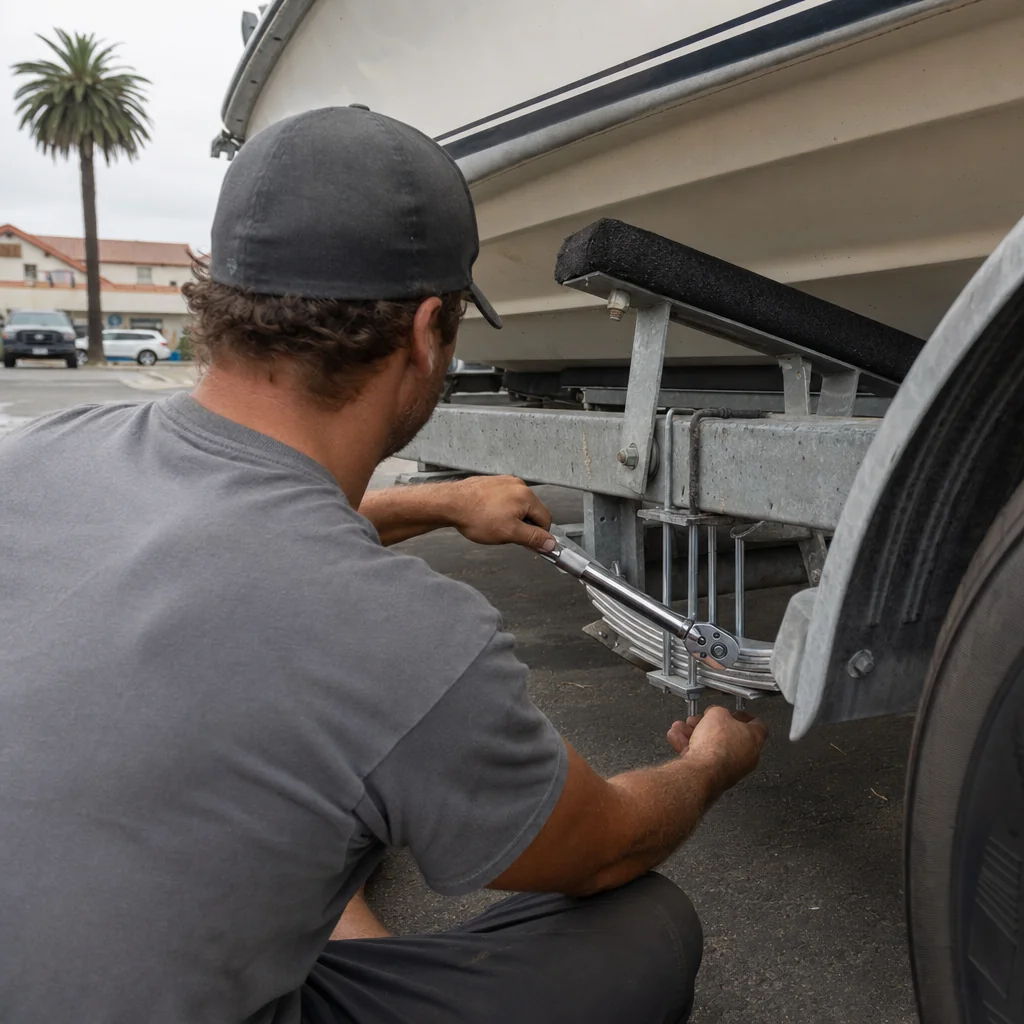
A pre purchase inspection is a snapshot, but it also sets the foundation for a smart maintenance plan going forward. Once we know the condition of the engine hours, the age of the impeller, the state of the anodes, and the service history, we can help you build a realistic schedule for what the boat will need in its first season under your ownership. That continuity is one reason buyers who use us for the inspection often stay with us for regular boat maintenance — we already know the vessel's history and its quirks, which saves time and prevents repeat diagnostics.
Related Guides
Previous: Boat Engine Diagnostics | Next: Boat Oil Change
Frequently Asked Questions
How long does a pre purchase boat inspection take?
Most inspections take between two and three hours depending on the size and complexity of the boat. A small center console with a single outboard takes less time than a twin-engine cruiser with a generator and full electronics suite. We give you a realistic time estimate when you book so you can plan accordingly.
Does the seller need to be present during the inspection?
The seller does not need to stay, but the boat does need to be accessible and the engine should be cold at the start so we can do a proper cold-start check. We recommend that the seller or their representative be reachable by phone in case we have questions about the service history or need access to a locked compartment.
Can you do a sea trial as part of the inspection?
Yes, and we strongly recommend it for any boat with inboard or sterndrive power. Running the boat under load reveals overheating, transmission slippage, and vibration issues that a dock inspection cannot catch. We coordinate the sea trial with the seller and factor it into the total inspection time.
What do I get at the end of the inspection?
You receive a written summary of our findings organized by system, with items flagged as immediate safety concerns, near-term maintenance needs, or items to monitor over time. This report is useful for negotiating the purchase price and for planning your first season of ownership.
Is a pre purchase inspection worth it on an older or lower-priced boat?
It is often more valuable on older boats precisely because deferred maintenance and hidden repairs are more common. A single missed issue — a cracked exhaust manifold, a failing outdrive bellows, or a compromised transom — can cost more to fix than the inspection itself. The inspection fee is a small percentage of almost any boat purchase.
How is a mobile marine mechanic inspection different from a marine surveyor?
A licensed marine surveyor provides a formal survey document typically required by insurance companies and lenders, and they assess value as well as condition. A mobile mechanic inspection focuses on the mechanical and electrical systems in hands-on operational detail, which complements a survey but serves a different purpose. For a cash purchase where insurance does not require a formal survey, a mechanic inspection often gives buyers the most actionable information.