
Boat Bottom Painting Long Beach, CA
Boat bottom painting is one of the most important maintenance tasks you can do to protect your hull and keep your vessel performing well in Long Beach's warm, fouling-prone waters. A fresh coat of antifouling paint prevents barnacles, algae, and marine growth from attaching to the hull, which would otherwise slow your boat and accelerate corrosion. A mobile marine mechanic can handle the full job at your slip or storage yard, saving you the cost and hassle of a boatyard haul-out. Learn more about Boat Maintenance.
Why Hull Fouling Is a Real Problem in Long Beach
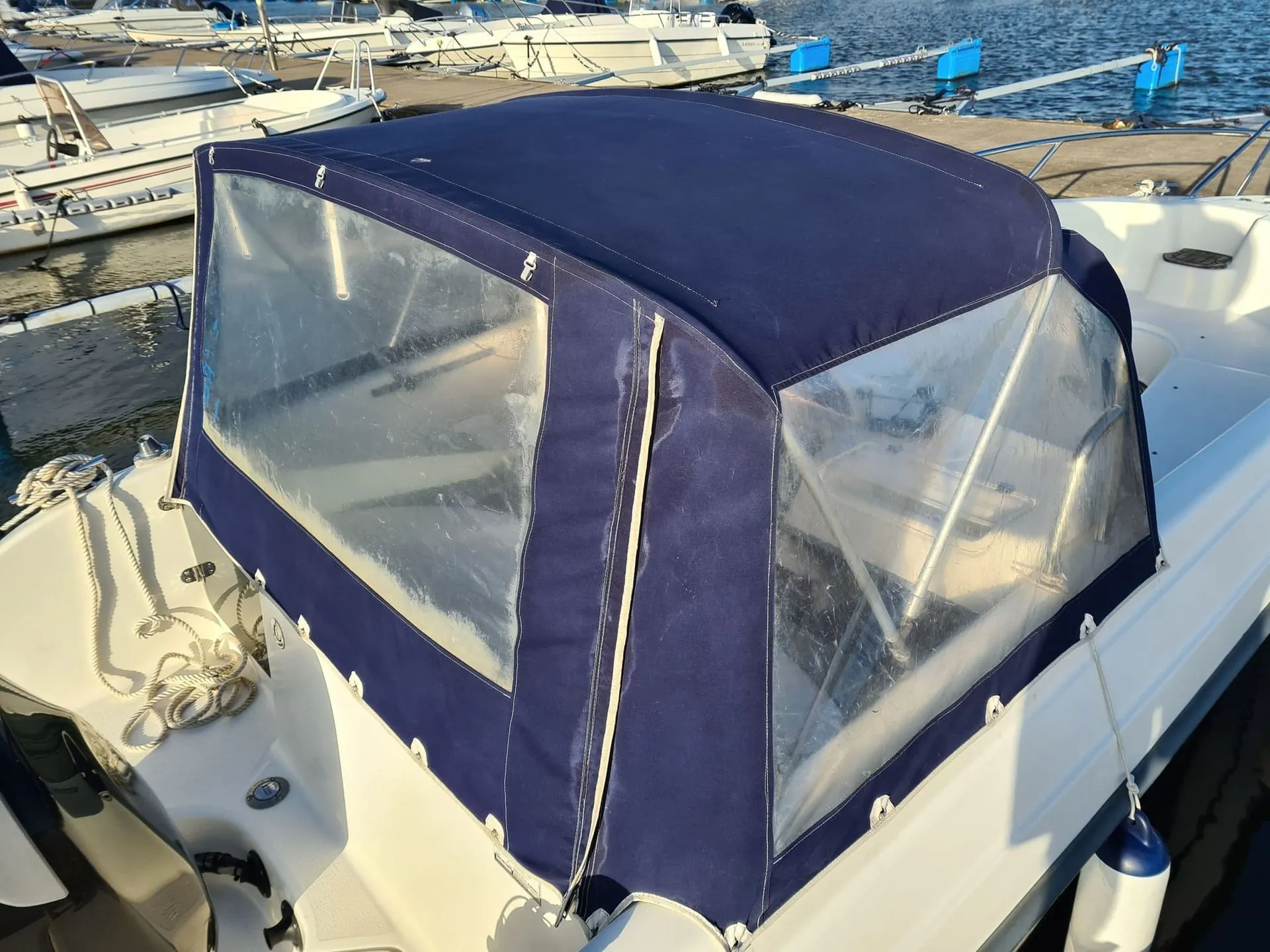
Long Beach Harbor and the surrounding Southern California waters are warm year-round, which creates ideal conditions for barnacles, mussels, and slime to colonize an unprotected hull within weeks. Even a thin layer of growth increases drag, raises fuel consumption, and puts extra strain on your engine. Left unchecked, hard growth can pit gelcoat and corrode metal fittings. Staying on a regular bottom painting schedule is far cheaper than repairing the damage fouling causes over a season or two.
Choosing the Right Antifouling Paint for Your Boat
Not every antifouling paint works the same way, and the right choice depends on how often you use your boat, where you keep it, and what your hull is made of. Ablative paints wear away slowly with water movement, releasing biocide continuously and leaving a fresh surface — a good fit for boats that go out regularly. Hard modified epoxy paints build up a durable film that can be scrubbed clean and are popular with boats that sit in the water for long stretches. Copper-free formulas are worth considering if you keep your boat in a marina with strict discharge rules.
Aluminum hulls require a paint specifically formulated to avoid galvanic corrosion, so the substrate always matters before you choose a product. A mobile mechanic familiar with Long Beach's local marinas can recommend a paint that meets harbor authority requirements and suits your actual usage pattern, rather than defaulting to whatever is on the shelf.
Factors That Affect Your Bottom Paint Job
Several variables influence how long the job takes, what materials are needed, and how long the paint will last.
Hull Size:
Larger boats require more paint and more prep time. A 25-foot vessel and a 45-foot cruiser are very different jobs in terms of labor and material cost.
Current Hull Condition:
Heavy barnacle buildup or old, flaking paint must be removed before new paint goes on. Skipping this step causes the new coat to fail early.
Number of Coats:
Most applications call for two coats minimum. Boats that stay in the water full-time or operate in high-fouling areas often benefit from a third coat at the waterline.
Paint Type Selected:
Ablative, hard, and hybrid formulas vary in price and application method. The right choice affects both upfront cost and how long you go between paint jobs.
Time Out of Water:
Paint needs to dry before the boat goes back in. Scheduling the job during a planned haul-out or dry-storage period avoids extra marina fees.
Last Paint Date:
Boats painted annually in active-use conditions typically have simpler prep. A hull that has not been painted in several years may need sanding or chemical stripping first.
What to Expect From a Mobile Bottom Painting Service
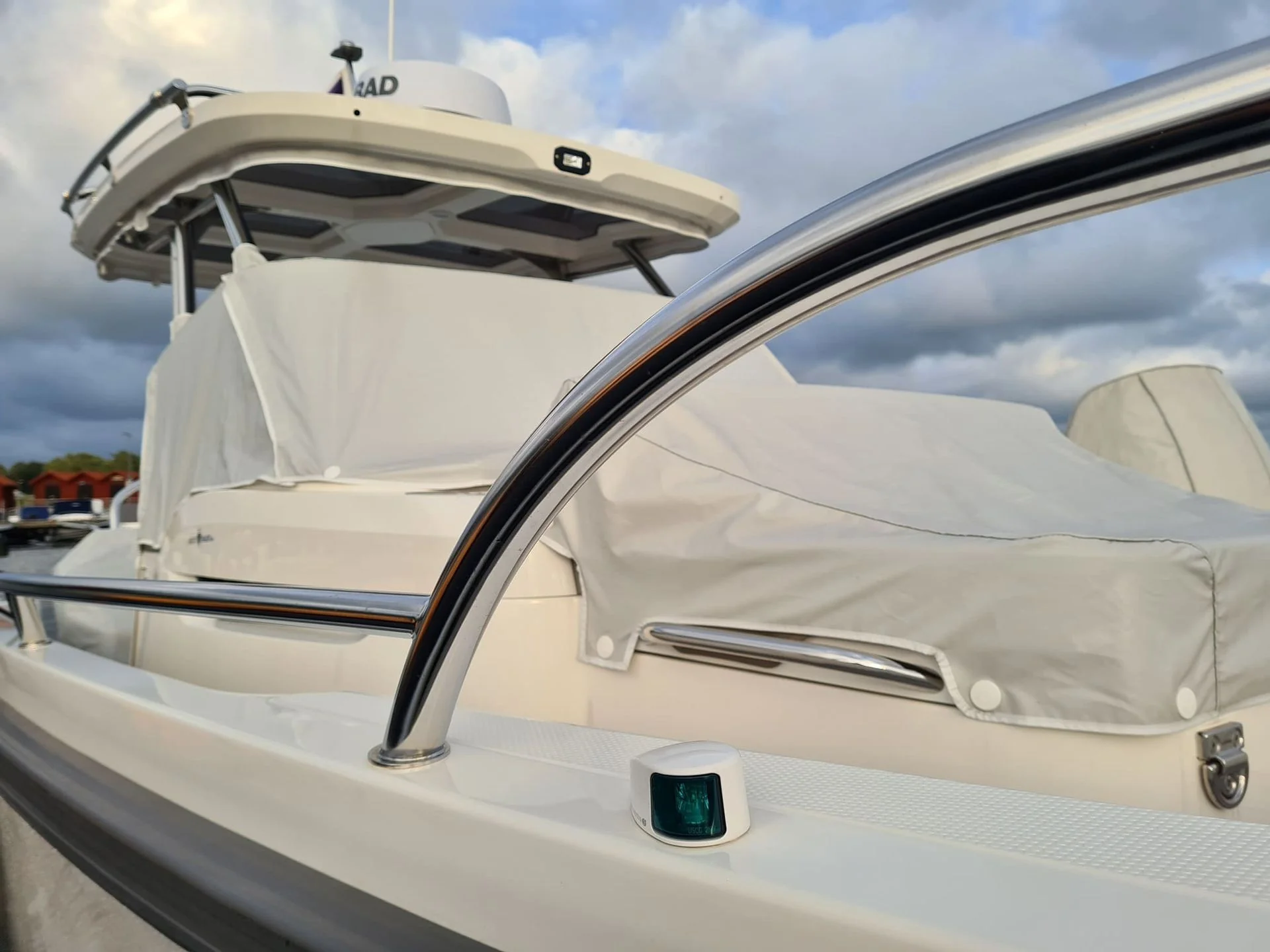
A mobile marine mechanic arrives at your location with the tools, materials, and safety gear to prep and paint the hull without you needing to arrange a separate boatyard appointment. The process starts with pressure washing and scraping to remove existing growth and loose paint, followed by light sanding to give the new coat a surface to bond to. Barrier primer is applied if the hull needs extra protection, then the antifouling paint goes on in even coats with proper dry time between them. Because the work comes to you, you stay in control of the schedule and avoid paying for yard storage during the job.
Related Guides
Next: Boat Engine Diagnostics
Frequently Asked Questions
How often does a boat in Long Beach need to be bottom painted?
Most boats kept in the water in this area benefit from a fresh coat every 12 to 18 months. Boats used heavily or stored in slips with strong current and warm water may need attention closer to the 12-month mark. A quick inspection of the hull each season helps you catch fouling before it becomes a bigger problem.
Can bottom painting be done while the boat is in the water?
No. The hull must be out of the water and dry before paint can be applied properly. The boat needs to be hauled, stored on stands, or placed in a dry-storage facility for the duration of the job. A mobile mechanic can meet you at a boatyard or dry-stack facility to handle the work on-site.
How long does a bottom paint job typically take?
For an average recreational boat in the 25- to 35-foot range, expect one to two days including prep, priming if needed, and two coats of antifouling paint with dry time in between. Larger boats or hulls that need significant stripping and sanding will take longer.
Is antifouling paint safe for the marina environment?
Modern antifouling paints are formulated to meet current environmental standards, and many marinas in the Long Beach area have specific rules about copper content and runoff. A knowledgeable mechanic will use products that comply with local harbor authority guidelines so you stay in good standing with your marina.
Do I need a barrier coat before the antifouling paint?
Barrier coat is recommended when the hull shows signs of osmotic blistering, when you are switching paint systems, or when the gelcoat has been sanded through. It adds a layer of waterproof epoxy that protects the laminate and helps the antifouling paint bond and last longer. Your mechanic can assess the hull and advise whether it is necessary for your specific situation.
How does this service connect to overall boat maintenance?
Bottom painting is one part of a broader maintenance routine that keeps your boat reliable and holds its value. Pairing it with regular engine service, through-hull inspections, and zinc replacement means fewer surprises on the water. Our mobile boat maintenance service covers all of these needs so you can manage everything through one provider.