Boat Wiring Repair Long Beach, CA
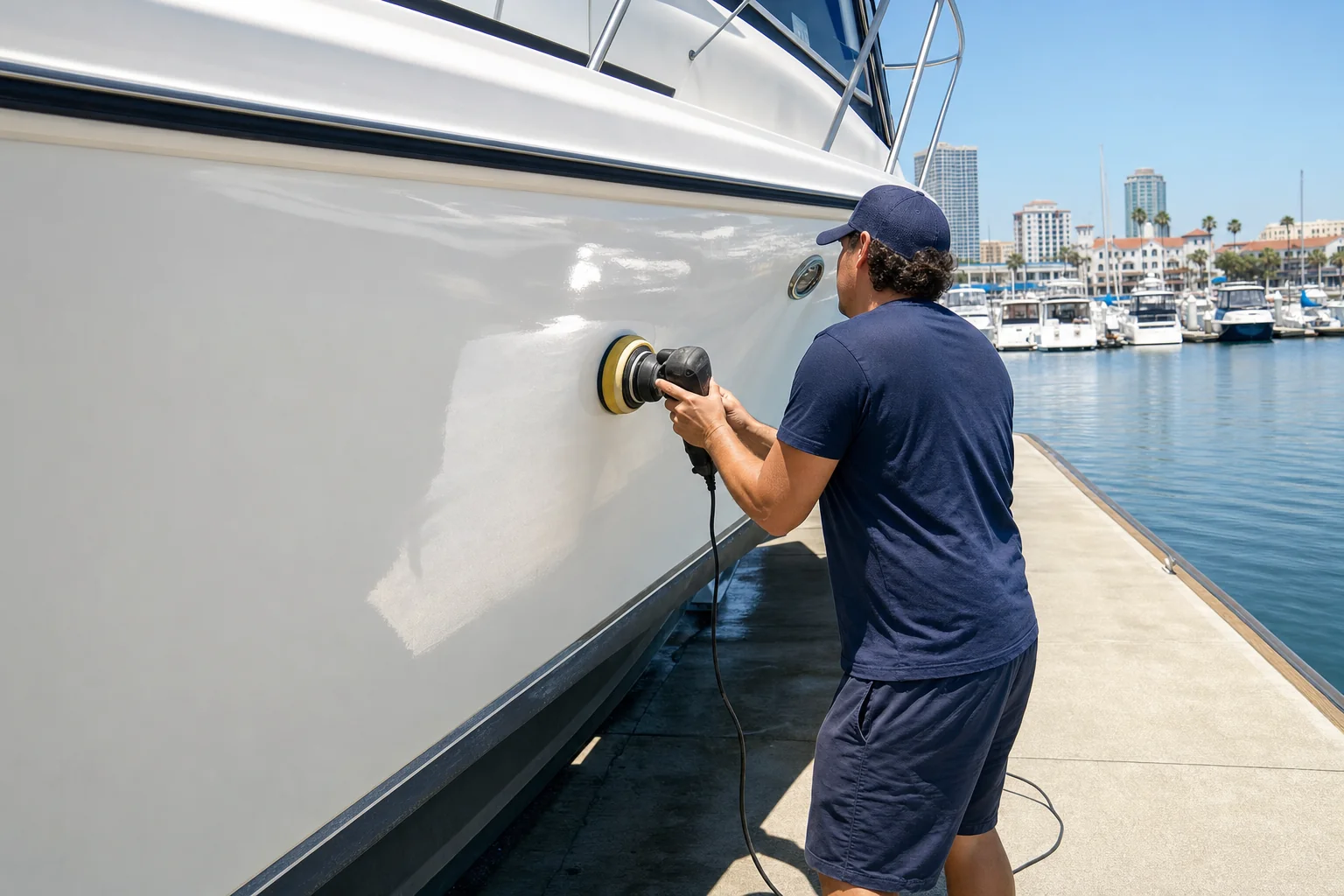
Boat wiring repair in Long Beach, CA is best handled quickly — corroded, damaged, or improperly spliced wiring is one of the leading causes of onboard fires and electrical failures on the water. A licensed mobile marine mechanic can diagnose the problem at your slip or storage yard and make safe, code-compliant repairs without hauling your vessel to a shop. Getting the work done right the first time protects your boat, your passengers, and your investment. Learn more about Marine Electrical Service.
Why Boat Wiring Fails in Southern California
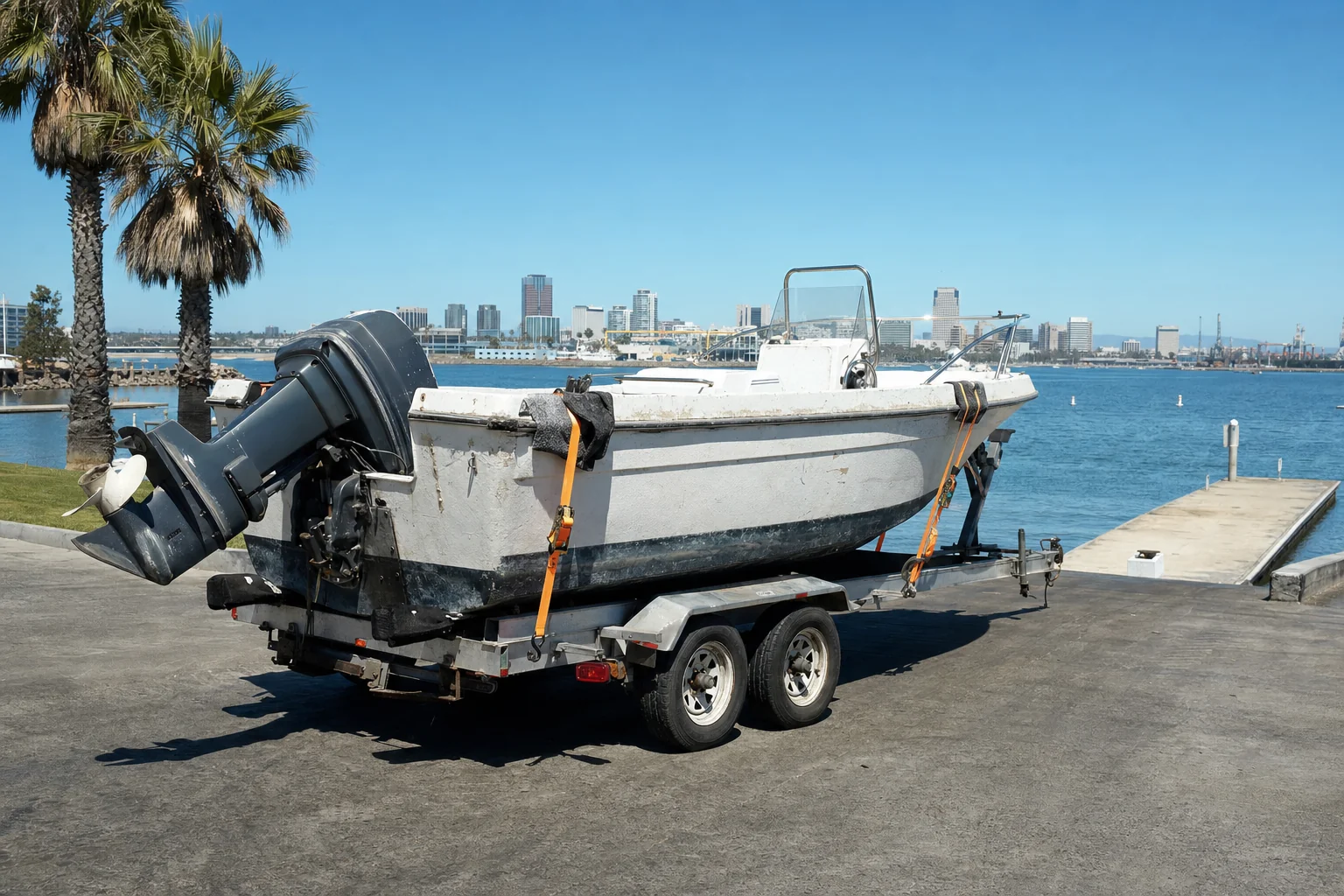
Long Beach's saltwater environment is hard on electrical systems. Salt air accelerates corrosion inside terminals, connectors, and wire runs, while UV exposure degrades insulation over time. Boats that sit in the water at marinas like Alamitos Bay or Rainbow Harbor face constant humidity cycling that works moisture into even well-sealed connections. Add in the vibration of regular use and the occasional DIY add-on wired with automotive parts, and most boats over five years old have at least one wiring issue waiting to cause a problem.
Common Boat Wiring Problems We Repair
Most wiring calls fall into a handful of familiar categories. Corroded terminals and ring connectors are the most frequent culprit — they create resistance that causes voltage drop, overheating, and intermittent failures in electronics, bilge pumps, and navigation lights. Chafed or melted insulation is the more urgent concern, because bare conductors in a bilge environment can arc against metal and ignite fuel vapors.
Improperly installed aftermarket accessories are another common source of trouble. Stereos, fishfinders, and LED lighting rigs added without proper fusing or marine-grade wire introduce weak points into the whole system. A full inspection traces every circuit back to the panel so nothing is left to chance.
- Corroded battery terminals and cable ends
- Voltage drop causing slow bilge pumps or dim lights
- Blown fuses that keep returning after replacement
- Melted or chafed wire insulation near engine heat sources
- Faulty shore power connections and galvanic corrosion
- Improperly fused aftermarket electronics
Signs Your Boat Needs Wiring Repair Now
Any one of these symptoms is reason enough to schedule an inspection before your next trip.
Lights Flicker or Dim:
Intermittent lighting usually points to a loose terminal or corroded ground connection somewhere in the circuit.
Fuses Blow Repeatedly:
A fuse that keeps blowing is protecting you from a short circuit — replacing it without finding the fault is dangerous.
Burning Smell Below Deck:
Any smell of burning plastic or rubber near the helm or engine bay demands immediate attention before the boat is used again.
Bilge Pump Runs Slowly:
A sluggish bilge pump often means high resistance in the wiring, which also means the pump is overheating and wearing out faster.
Electronics Reset Randomly:
Chartplotters or VHF radios that reboot on their own typically have an unstable power feed or a shared ground issue.
Visible Green or White Corrosion:
Green buildup on copper terminals or white powder on aluminum connectors means the connection is already compromised.
Mobile Wiring Repair at Your Slip or Storage Yard
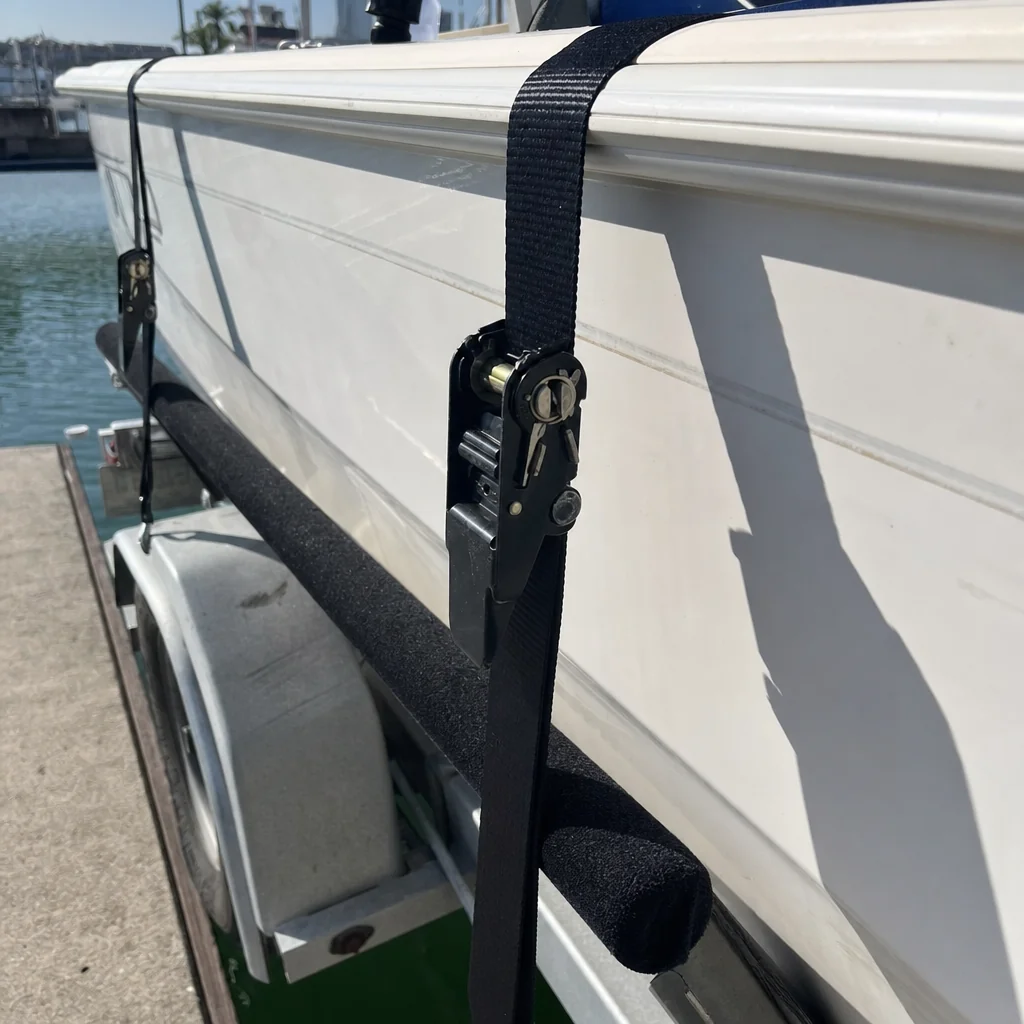
One of the biggest advantages of a mobile marine electrician is that the work happens where the boat lives. There is no trailering, no waiting in a yard queue, and no extra handling that can introduce new problems. A mobile technician arrives with a full set of marine-grade wire, heat-shrink connectors, a multimeter, and a circuit tracer to work through the problem systematically. For Long Beach boat owners, that means same-week service at marinas throughout the area and repairs completed in a single visit for most common wiring issues. Larger rewiring jobs are scheduled in stages so you are never left without a usable boat longer than necessary.
Related Guides
Next: Marine Battery Replacement
Frequently Asked Questions
How much does boat wiring repair typically cost?
Simple repairs like replacing corroded terminals or a single damaged wire run are usually straightforward and affordable. More involved work — tracing an intermittent short, rewiring a helm panel, or replacing a full battery cable set — takes more time and materials. A technician can give you a firm estimate after a quick inspection, so you know the cost before any work begins.
Can I use automotive wire on my boat?
Automotive wire is not rated for the marine environment and should not be used on a boat. Marine-grade wire uses finely stranded tinned copper that resists corrosion and flexes without breaking, while automotive wire uses bare copper that corrodes quickly in salt air. Using the wrong wire also voids most marine insurance policies if a fire results.
How long does a typical wiring repair take?
Most single-circuit repairs or terminal replacements take one to three hours at the dock. Diagnosing an intermittent fault can take longer because the problem has to be reproduced and traced. A full rewire of a larger vessel is typically a multi-day project scheduled in advance.
Is boat wiring repair something I can do myself?
Basic tasks like replacing a fuse or swapping a battery terminal are within reach for a careful DIYer using the right marine-grade parts. Anything involving the main distribution panel, shore power connections, or tracing a short circuit is better left to a professional — mistakes in those areas create genuine fire and electrocution risks.
What is the difference between boat wiring repair and a full rewire?
Wiring repair addresses specific failed or damaged sections of the existing system. A full rewire replaces all the wire runs, terminals, and often the distribution panel itself, and is usually recommended when a boat's wiring is old enough that corrosion is widespread throughout. A technician can tell you which approach makes sense after inspecting the current condition of your system.
Does boat wiring repair fall under marine electrical service?
Yes — wiring repair is one of the core services within a complete marine electrical service offering. It often goes hand in hand with battery system checks, bilge pump testing, and navigation light inspection. If you need a broader look at your boat's electrical health, a full marine electrical service visit covers all of those areas together.