Winter Boat Prep in Long Beach: What to Check Before Your Next Harbor Day
Get ready for the next season
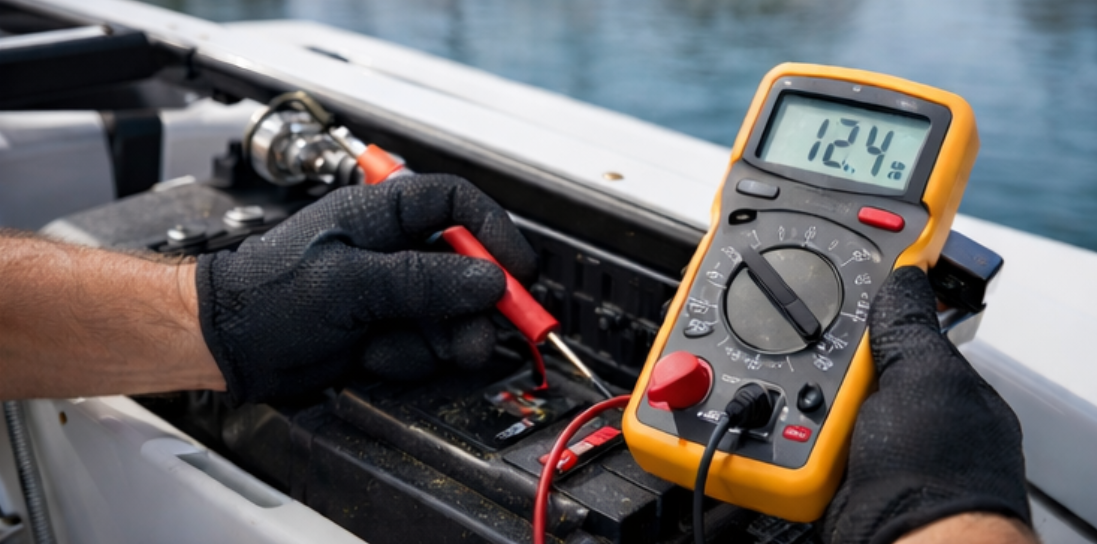
Long Beach boating doesn’t really “shut down” in winter — but the season does change what breaks, what drains, and what leaves you stranded at the worst possible moment (usually when you finally have a calm day and time to get out). Cooler temperatures, higher humidity, and longer periods of sitting at the dock create a perfect storm for battery issues, fuel problems, corrosion, and surprise cooling-system failures.
If your boat has been sitting more than a couple of weeks, here are the most important winter checks we recommend before your next run out of Rainbow Harbor, Alamitos Bay, or over toward Catalina.
1) Batteries: Winter’s #1 Reason for No-Start
Batteries don’t like sitting — and they hate partial charge. Even in Southern California, winter use patterns are different: fewer trips, more idle time, more “short starts,” and more accessory use at the dock.
Quick checks:
- Make sure terminals are clean and tight (no green/white crust).
- Verify your battery switch and connections aren’t loose.
- If you have multiple batteries, confirm your charging system is actually charging both banks.
- Watch for slow cranking, electronics flickering, or random alarms — all classic low-voltage symptoms.
A surprising number of “starter problems” are simply battery/charging issues. A mobile marine mechanic can test your batteries and charging output at the dock and tell you if it’s a simple fix or a replacement situation.
2) Fuel Systems: Ethanol + Sitting = Trouble
Even if you’re careful, fuel degrades faster when a boat sits. Ethanol blends can pull moisture, and small debris in the system ends up clogging filters right when you throttle up.
What to do:
- Replace or inspect the water-separating fuel filter.
- Check fuel lines and primer bulbs for cracks or softness.
- If your outboard stumbles, surges, or won’t hold RPM, don’t assume it’s “bad gas” — it may be a filter, restriction, or failing pump.
Winter is a great time to service fuel filters because it prevents spring breakdowns when the harbor is busy and help is harder to schedule.
3) Corrosion & Salt: It Doesn’t Take a Season — It Takes a Week
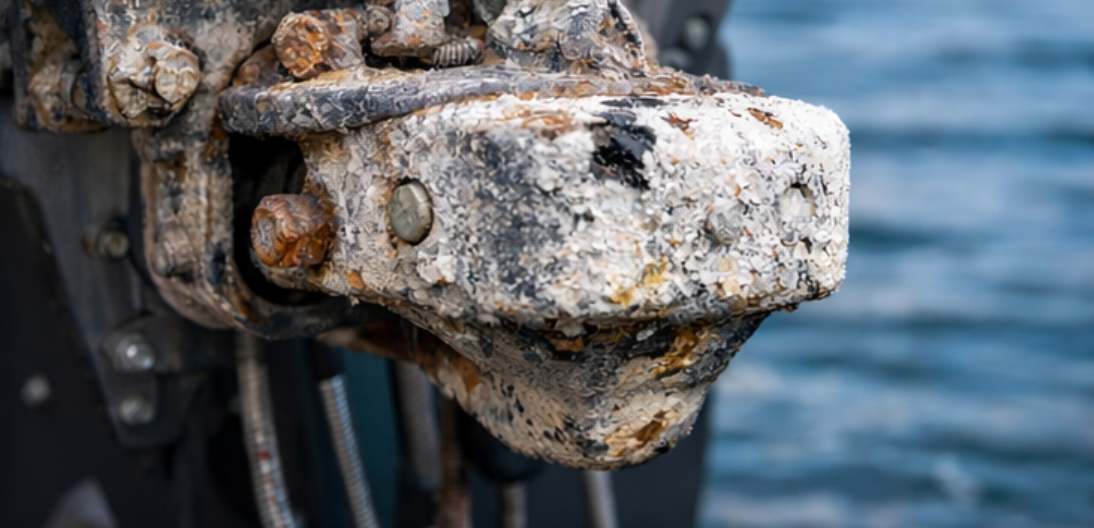
Long Beach salt air is relentless. Boats that sit in slips often corrode faster than boats that get rinsed and run regularly.
Key spots to inspect:
- Battery terminals and cable ends
- Ground connections
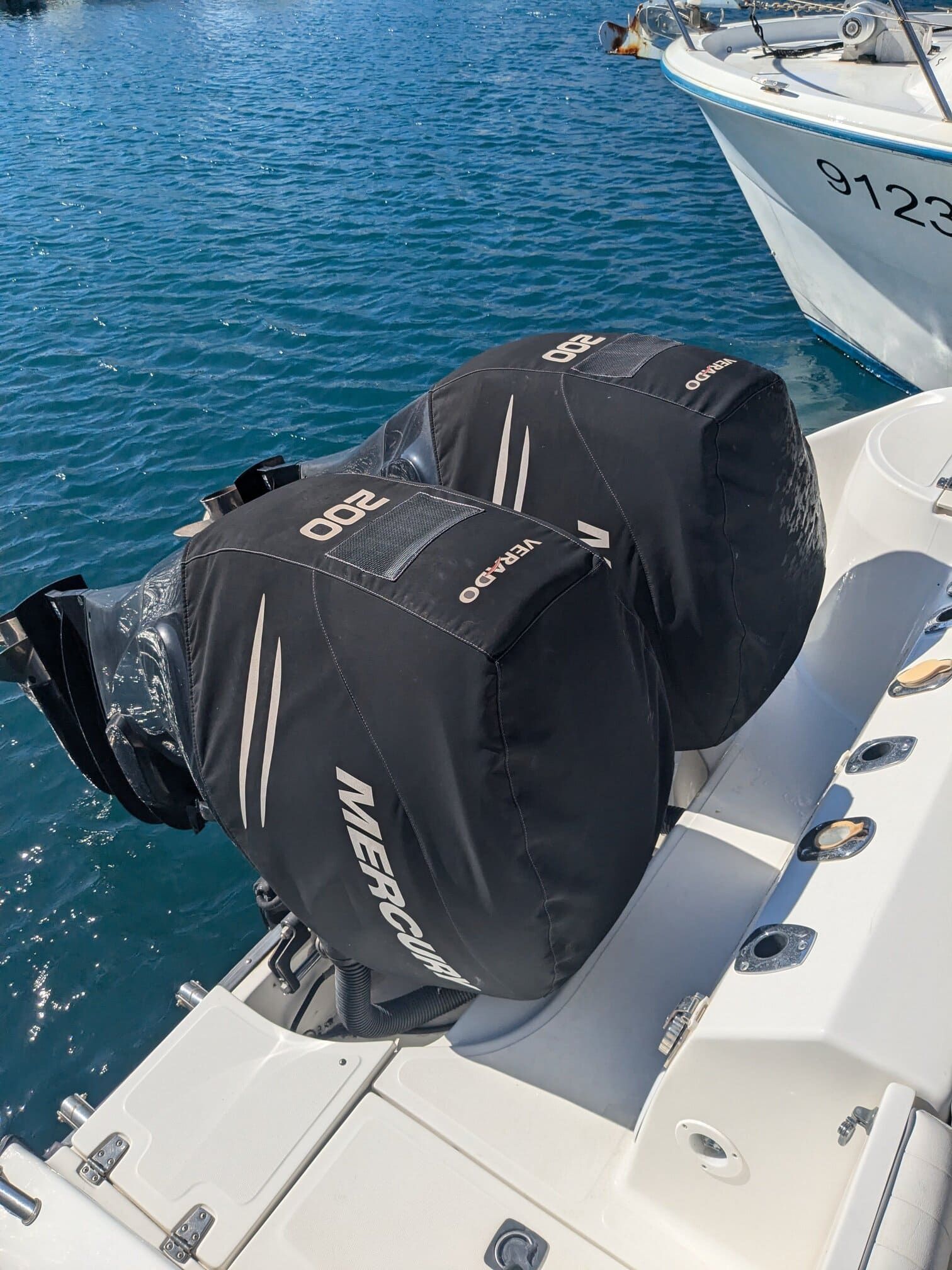
- Outboard/anode condition
- Steering linkage and tilt/trim areas
- Trailer connectors (if you trailer)
A small corrosion problem now becomes a no-start or trim failure later. Catch it early and it’s usually a quick clean-up + protectant situation.
4) Cooling System & Impellers: Don’t Gamble
Even “mild winter” days can reveal a weak cooling system because boats sit more, silt settles, and rubber parts age. If your engine hasn’t had an impeller service in a while, it’s worth checking before your next longer run.
Warning signs:
- Overheat alarms (even intermittent)
- Weak telltale stream
- Engine temperature creeping up at idle
Cooling issues are one of those problems that can turn into expensive damage if ignored.
Need Dockside Help in Long Beach?
If you’d rather not troubleshoot in the slip (or you’re already dealing with a no-start), we can come to you. Our mobile boat mechanic in Long Beach handles battery diagnostics, charging problems, fuel system service, cooling system checks, bilge pump issues, and general outboard/inboard troubleshooting — right at your marina, driveway, or dock.
A small winter service call now can save a ruined weekend (and a tow bill) later.
Tip: The best time to schedule maintenance is before the first warm weekend. That’s when everyone else remembers their boat exists.
here you get back to the mobile boat mechanic Blog
You might also like